
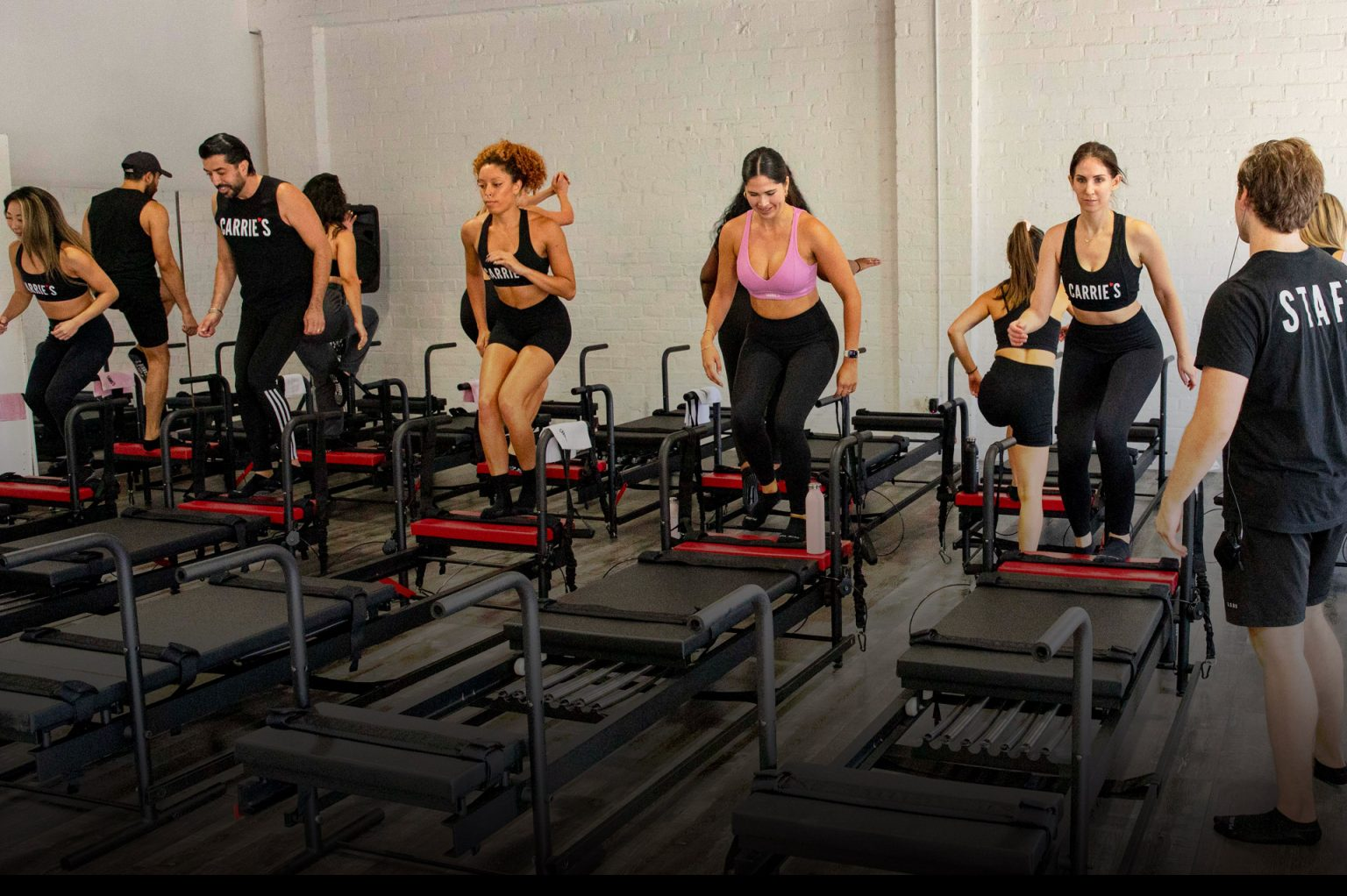
PILATES AND CARDIO
In today’s fitness landscape, movement variety is the key to achieving lasting results. Traditional Pilates is celebrated for its precision, balance, and mindful strength work. But when you blend that with energetic bursts of cardio, you create something more powerful — a hybrid Pilates cardio workout that strengthens the body, lifts endurance, and maximizes fat burn. This evolving approach bridges the gap between mindful movement and high-intensity training, helping exercisers unlock energy, stamina, and recovery in one session.
By combining controlled muscle activation with short, heart-pumping intervals, this method brings together two training worlds. It’s ideal for those who crave both structure and intensity, offering a smart route toward holistic fitness.
Understanding the Hybrid Fitness Model
Hybrid fitness merges multiple disciplines to maximize training outcomes while minimizing time. Pilates alone is phenomenal for strength, posture, and flexibility. Cardio, on the other hand, targets endurance, metabolism, and heart health. When you merge both, the benefits compound.
The essence of this hybrid approach lies in transitions — maintaining Pilates precision while inserting quick cardio elements that raise the heart rate. The result is a flow that challenges your core and cardiovascular system simultaneously.
One of the most effective styles of hybrid training is HIIT in Pilates. These short, structured intervals combine low-impact movements with higher-intensity phases, giving exercisers a chance to torch calories and enhance stamina while preserving form and control.
Why Add Cardio to Pilates Sessions
Traditional Pilates emphasizes stability, mobility, and strength through controlled movement. Adding bursts of cardio offers new benefits that amplify those foundations:
- Heart Health and Endurance: Cardio intervals train the heart and lungs, improving circulation and stamina.
- Metabolic Boost: Short bursts of high-energy movement increase post-workout calorie burn.
- Dynamic Strength Gains: Cardio elements challenge muscles in different ways, reinforcing power and coordination.
- Mental Focus: Switching intensities keeps the mind engaged, enhancing concentration and overall performance.
When incorporated correctly, a fat-burn mix helps elevate the training effect. This blend ensures that your Pilates practice not only sculpts but also energizes your entire system.
The Science of Heart-Rate Training in Pilates
Heart-rate training focuses on working within specific intensity zones to maximize oxygen usage and fat oxidation. In Pilates, it’s all about layering those intervals wisely.
By introducing bursts that elevate the heart rate for 30 to 60 seconds, followed by controlled movement, practitioners strengthen the cardiovascular system without overwhelming the muscles. This creates a more efficient metabolism, improves recovery, and enhances endurance capacity.
Unlike traditional high-impact cardio, Pilates-based heart-rate intervals maintain alignment and joint safety. That means you can push your limits without sacrificing control or risking injury.
Cardio Bursts to Add to Your Pilates Routine
You don’t need to overhaul your Pilates class to experience the benefits of hybrid fitness. Strategic cardio bursts can seamlessly integrate into mat or reformer sessions. Here are a few effective additions:
- Jump Board Sprints: Use the reformer jump board for 30-second bursts, focusing on light, spring-controlled hops.
- Dynamic Planks: Add mountain climbers or knee drives for 20-30 seconds between core sequences.
- Standing Pulses: Combine leg lifts or squats with quick hops for a heart-rate spike.
- Rowing Intervals: On the reformer, alternate slow, resisted pulls with rapid sequences for endurance.
- Rebound Jumps: A quick, controlled jump pattern enhances coordination and stability.
These bursts keep intensity up while maintaining Pilates precision.
Structuring a Hybrid Pilates Cardio Session
A balanced session ensures that intensity complements mindfulness. Here’s how to design your workout flow:
- Warm-Up (5 minutes):
Start with gentle mobility exercises and breathing focus to prepare joints and activate the core. - Strength Section (10 minutes):
Engage major muscle groups using reformer or mat work. Focus on alignment and breath control. - Cardio Segment (10–15 minutes):
Introduce short bursts of energy. A HIIT in Pilates format, such as 30 seconds on and 15 seconds off, can be ideal. - Recovery Flow (5 minutes):
Slow transitions, lengthening stretches, and controlled breathing bring the heart rate back down. - Cooldown (5 minutes):
Gentle stretching and flexibility work conclude the session.
Balancing these sections ensures optimal energy output and minimizes fatigue.
Trainer Tips for a Safe and Effective Practice
While hybrid training is invigorating, form must always come first. Trainers emphasize that Pilates technique should not be compromised by speed. Here are key safety cues:
- Prioritize Alignment: Keep shoulders relaxed, spine neutral, and core engaged during every movement.
- Breathe with Intention: Coordinate breathing to support endurance and stability.
- Avoid Overexertion: Push hard during cardio intervals but allow recovery phases.
- Use Trainer Feedback: Continuous form corrections ensure effectiveness and injury prevention.
Listening to your body is vital — consistency matters more than intensity alone.
The Benefits of Hybrid Pilates Cardio
Adding cardio to Pilates sessions transforms your results in multiple ways:
- Enhanced Fat-Burn Efficiency: Alternating intensities improves metabolic conditioning.
- Improved Coordination: Rapid transitions between moves build control under pressure.
- Stronger Core Engagement: The demand for stability during high-energy phases strengthens deep muscles.
- Better Recovery: Low-impact Pilates moves aid muscle restoration after cardio bursts.
- Balanced Mind-Body Connection: Maintaining breath and focus through faster movement sharpens awareness.
Every session helps improve both your physical and mental endurance, creating a complete approach to fitness.
Common Mistakes to Avoid
Even experienced Pilates enthusiasts can make errors when introducing cardio elements. Watch out for:
- Skipping the Warm-Up: Muscles need preparation to handle fast transitions.
- Ignoring Alignment: Focus on quality over speed to avoid stress on joints.
- Overdoing Intervals: Excessive cardio bursts can lead to burnout or strain.
- Neglecting Breathing: Controlled breathing maintains rhythm and prevents fatigue.
Awareness of these pitfalls ensures progress without setbacks.
Balancing Intensity and Recovery
A well-structured hybrid Pilates cardio routine balances effort and recovery. Rest is essential for muscle growth and hormonal balance. Incorporate slow mobility or restorative Pilates sessions between intense workouts.
Focus on post-class recovery by hydrating, stretching, and practicing mindful breathing. These steps help reduce soreness, maintain flexibility, and promote long-term wellness.
How to Begin Your Hybrid Journey
Starting hybrid training doesn’t require advanced skills. Begin with short intervals and gradually build your stamina. Work with certified instructors who can tailor movements to your ability level.
If you’re curious to experience structured hybrid sessions, you can explore the benefits of interval integration with guidance from trained professionals who focus on alignment, form, and progression.
Conclusion: The Power of Combining Strength and Stamina
A well-crafted hybrid Pilates cardio session blends control, rhythm, and endurance into one seamless flow. It transforms static strength into dynamic movement while keeping mindfulness at its core.
By mixing traditional Pilates precision with modern cardio intensity, you achieve balanced energy, sculpted muscles, and enhanced focus. This training style is perfect for those seeking a smarter way to burn calories, increase flexibility, and support heart health.
To experience personalized training options that align with your fitness goals, explore the benefits of heart-rate training and see how small bursts of energy can lead to major long-term results.
FAQs
1. What is hybrid Pilates cardio?
It’s a fitness approach that combines traditional Pilates movements with short, high-intensity cardio bursts to build strength, endurance, and flexibility in one session.
2. Is HIIT in Pilates suitable for beginners?
Yes, it can be tailored to all fitness levels. Beginners can start with low-impact intervals and shorter durations.
3. How often should I practice hybrid Pilates cardio?
Two to three sessions per week are enough to see improved strength, stamina, and muscle tone without overtraining.
4. What results can I expect from a fat-burn mix workout?
You can expect enhanced calorie burn, improved cardiovascular endurance, and better body composition over time.
5. How does heart-rate training support my Pilates practice?
It helps you maintain optimal intensity levels, increasing aerobic capacity while supporting joint safety and muscle recovery.