
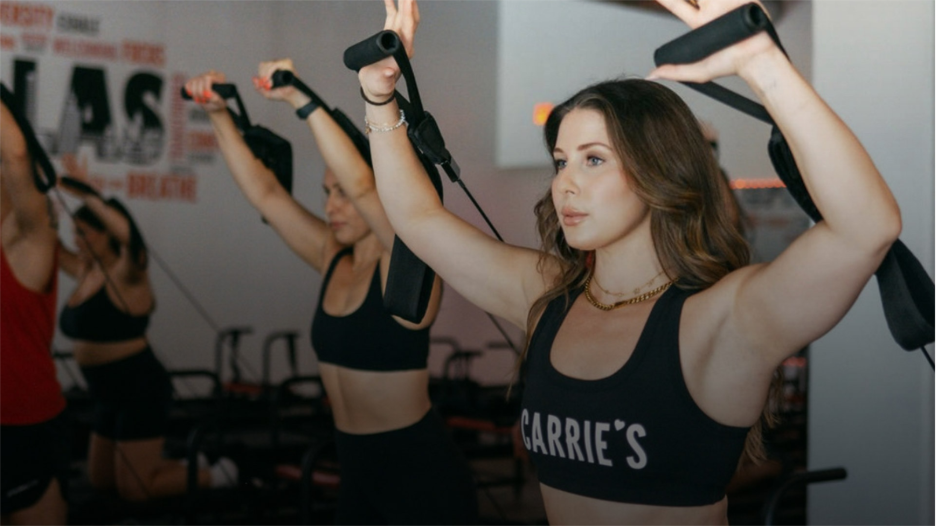
PROPER PILATES FORM ON THE TRANSFORMER
Every Pilates session is built on one core principle—control. Yet even with the best intentions, it’s easy to drift out of alignment or develop habits that compromise results. A dedicated Pilates Form Check helps you recognize and correct these small but impactful errors, allowing every movement to deliver maximum benefit with minimal strain.
Whether you’re new to Pilates or a seasoned enthusiast, maintaining form integrity ensures that you’re training smart, not just hard. The Transformer reformer demands precision and awareness, and these subtle adjustments can make all the difference between progress and plateau.
The Role of Body Awareness in Pilates
Pilates is as much about mindful movement as it is about physical conditioning. Every exercise targets deep muscle layers, relying on posture, breathing, and focus to deliver lasting results. When awareness slips—even slightly—your form can falter.
Common signs of poor alignment include tension in the shoulders, excessive pressure in the wrists, or discomfort in the lower back. Over time, these small misalignments can lead to muscle imbalances, fatigue, and even injury. That’s why regular form checks are vital—they restore awareness and ensure you’re engaging the right muscles in every rep.
1: Misaligned Spine
The foundation of all Pilates movement is the spine. A misaligned spine can disrupt balance, reduce power, and place unwanted pressure on surrounding muscles. Many people unknowingly flatten their lower back or over-arch their neck when performing exercises on the Transformer.
Fix it:
Visualize lengthening your spine from the crown of your head through your tailbone. Imagine space between each vertebra. Maintain a neutral curve by engaging your core and glutes lightly, ensuring your pelvis stays level. A small awareness shift here instantly transforms posture and stability.
2: Shoulders Rising Toward the Ears
Tension in the shoulders is one of the most common alignment issues seen in Pilates practice. As intensity increases, many participants unconsciously lift their shoulders, reducing neck mobility and straining upper traps.
Fix it:
Before starting any movement, roll your shoulders back and down. Envision your shoulder blades sliding into opposite back pockets. Keep the neck long and relaxed while maintaining gentle engagement in the upper back muscles. When performed consistently, this cue improves posture and enhances arm control on the Transformer.
3: Locked Knees or Hyperextension
Locking out your knees feels stable but actually removes the muscles’ role in supporting the joints. Over time, this habit leads to joint stress and weaker hamstrings or quads.
Fix it:
Instead of locking, think of a gentle micro-bend in the knees. Engage your thigh muscles while keeping the joints soft. Imagine drawing energy upward through your legs rather than pushing down into them. This helps distribute effort evenly, improving circulation and endurance.
4: Poor Core Engagement
“Engage your core” is one of the most repeated phrases in Pilates, but understanding it takes practice. Many people mistakenly tighten their abs or hold their breath, which limits mobility and creates tension.
A strong core activation comes from coordinated muscle engagement around your midsection—not just your abs. The goal is to support the spine, not restrict it.
Fix it:
Before each exercise, exhale gently and feel your belly button move slightly inward and upward. This action should feel supportive, not constrictive. Imagine zipping your core from your pelvis to your ribs. Use this subtle tension to stabilize the body throughout movement.
For deeper improvement, your instructor can provide correction cues that help you sense activation in the right muscles while maintaining freedom of movement.
5: Shallow Breathing Patterns
Breath is the rhythm that fuels Pilates. Shallow or inconsistent breathing disrupts concentration and limits oxygen flow to working muscles. Many participants hold their breath during challenging movements, which tightens the neck and shoulders.
Fix it:
Practice lateral breathing—expanding your ribs outward as you inhale and contracting them as you exhale. Use your breath to initiate each movement: inhale to prepare, exhale to move. This synchronization creates a natural tempo and keeps tension away from the upper body.
When breath and motion align, your practice becomes smoother, more controlled, and far more effective.
6: Uneven Weight Distribution
Whether standing, seated, or lying on the Transformer, balance begins with even weight distribution. Shifting too much to one side or relying on dominant muscles leads to imbalances and reduced control.
Fix it:
Before each repetition, check your grounding. Feel equal pressure through both feet, both hips, or both hands depending on the movement. Adjust slightly until the body feels symmetrical. Strength develops most effectively when energy travels evenly through both sides.
7: Ignoring Trainer Feedback
Perhaps the most overlooked aspect of progress is listening to your instructor. Trainer feedback refines technique and prevents recurring mistakes. Without it, habits can become ingrained, leading to plateaus or potential strain.
Trainers are trained to identify micro-adjustments that may not be visible to you in the mirror. Their corrections ensure that you’re targeting the right muscles and protecting your joints.
Fix it:
Welcome feedback as a learning opportunity, not criticism. Apply cues in real time and ask questions if something feels unclear. This collaborative process accelerates skill development and enhances confidence.
Injury Prevention through Proper Form
Consistent form isn’t just about performance—it’s about protection. Many Pilates-related injuries stem from repetition of incorrect patterns rather than one major mistake. A small pelvic tilt, an uneven shoulder, or a misaligned wrist can compound over time.
By focusing on alignment and proper muscle engagement, you minimize joint strain and maintain mobility. Correct form enhances strength while safeguarding tendons and ligaments. When done right, Pilates is one of the safest and most sustainable full-body workouts available.
If discomfort arises during class, pause and reassess your positioning. Your instructor can provide tactile or verbal corrections that restore correct form and keep your practice pain-free.
Refining Your Practice with Professional Guidance
Every body is different, which is why personalized instruction plays such a valuable role. Private sessions allow instructors to tailor exercises to your structure, flexibility, and experience level. With consistent feedback, you’ll identify weaknesses and refine coordination faster than in group settings.
The goal isn’t perfection—it’s progress. Through repeated form checks, your body learns efficiency and balance, translating into better results on and off the mat. Over time, precision becomes natural, and movements feel effortless.
Conclusion: Commit to Your Form, Commit to Your Growth
Form correction is not a one-time task—it’s an evolving journey of awareness and improvement. The Pilates Form Check helps you recognize patterns, refine technique, and stay connected to your body’s natural alignment.
By listening to your instructor and embracing proper mechanics, you’ll unlock greater strength, control, and flexibility while avoiding common pitfalls.
To experience guided improvement and prioritize injury prevention in your routine, consider scheduling a private session today. Consistency and mindful practice will transform not only your Pilates form but your overall confidence in movement.
FAQs
How often should I schedule a Pilates form check?
Every 6 to 8 weeks is ideal, especially if you train regularly. It helps reinforce correct habits and detect small alignment shifts early.
Can poor alignment lead to pain or injury?
Yes. Repetitive misalignment can cause strain on muscles and joints, which is why regular corrections are crucial.
What are correction cues in Pilates?
They are short, specific prompts from trainers—such as “soften your ribs” or “draw your shoulder blades down”—designed to help you achieve better form and engagement.
Is trainer feedback necessary if I practice at home?
Absolutely. Even occasional sessions with a professional can fine-tune your technique and prevent long-term mistakes.
How does proper form enhance Pilates results?
How does proper form enhance Pilates results?