
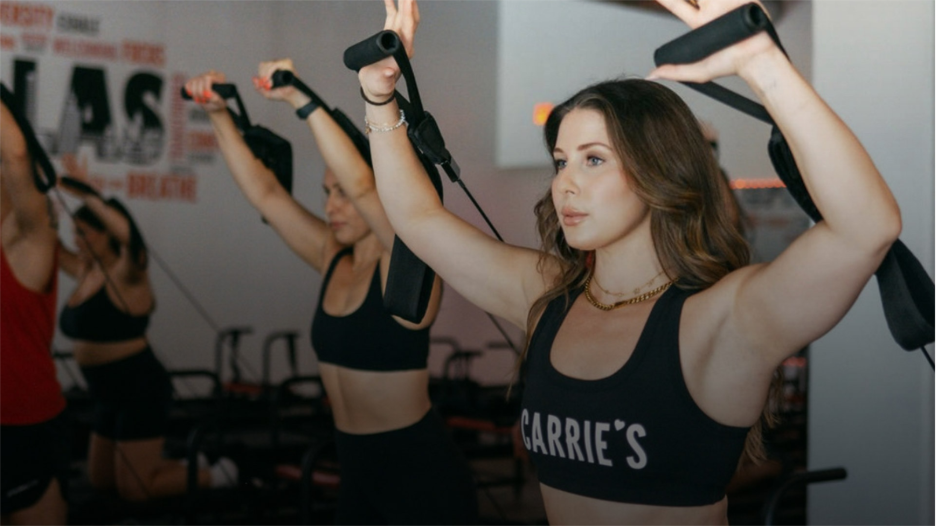
Mastering Pilates Transitions: Tips from Trinity Groves Trainers
Perfecting Pilates transitions is one of the most transformative steps for anyone looking to elevate their practice. The subtle control between one movement and the next is where strength, flow, and mindfulness come together. At Carrie’s Pilates Trinity Groves, our trainers emphasize that mastering transitions is what separates a good session from a truly exceptional one.
To experience this firsthand, explore the signature Pilates workout at Trinity Groves through our official website.
The Art of Seamless Pilates Transitions
Every Pilates session tells a story through motion. Transitions are the connecting words that give rhythm and expression to that story. Smooth transitions keep energy consistent, prevent fatigue, and allow your body to move like water fluid yet controlled.
When transitions are rushed or uneven, alignment breaks and energy dissipates. This interruption can reduce the effectiveness of your workout and compromise your form. By focusing on graceful continuity, you turn each exercise into part of a harmonious sequence that deepens both strength and concentration.
Understanding the Core of Transition Training
The foundation of every powerful transition lies in your core. Your abdominals, lower back, and glutes stabilize the spine and create balance through every movement. Engaging your core ensures that transitions are not only smooth but also safe.
Breathing is another essential factor. Each inhale and exhale supports your rhythm and helps you maintain control as your body shifts positions. When breath, rhythm, and movement align, transitions become instinctive.
Expert Insights from Trinity Groves Trainers
Trinity Groves trainers have observed that dedicated practitioners often excel not by doing more but by doing better. They refine their form, listen to their breath, and let precision lead. One of the most common errors seen among advanced students is overexertion during transitions pushing for speed rather than fluidity.
Our instructors remind students that control and focus are the essence of Pilates. When you perform transitions with awareness, you conserve energy, build endurance, and sustain class flow.
Techniques for Faster and Smoother Transitions
Speed in Pilates transitions should never compromise control. Begin by visualizing each move before executing it. Micro adjustments such as repositioning your feet or activating your inner thighs before changing exercises can make a significant difference.
To train faster response, include interval style practice: short bursts of quick transitions followed by periods of slower, more mindful movements. This pattern conditions both your muscles and your mind to switch efficiently without losing alignment.
You can explore more about proper techniques through our Trinity Groves Pilates workout page, where our trainers detail flow focused methods used in class.
Strengthening Muscle Endurance Through Smart Transitions
Endurance allows your muscles to support continuous movement without fatigue. Smart transitions are built on steady breathing and rhythmic repetition rather than strain. By maintaining proper posture even when tired, you train your body to stay strong throughout the session.
Trainers at Trinity Groves often recommend focusing on the eccentric phase controlling the release of a movement to extend muscle engagement. Over time, this develops lasting endurance that directly improves transition speed and flow.
The Role of Core Training in Transition Efficiency
Your core is the powerhouse that stabilizes every change of position. A strong core not only enhances control but also prevents injuries during transitions. Core activation drills such as slow leg lifts, teaser holds, and pelvic curls are valuable tools for improving your Pilates performance.
When your center is strong, transitions become effortless, as your body naturally balances and adapts between movements.
Maintaining Class Flow and Rhythm
Pilates thrives on rhythm. Listening to your instructor’s cues, maintaining consistent breathing, and aligning your pace with the class flow create a unified practice. Each transition then becomes a conscious movement rather than a mechanical shift.
Different apparatus such as the Reformer, Chair, or Mat requires slight variations in timing and coordination. Adapting to each tool keeps your transitions dynamic and responsive.
Realistic Tips to Practice Between Classes
Between studio sessions, practice short routines that emphasize movement flow. Try connecting two or three Pilates exercises without pause to refine balance and coordination. Setting small, measurable goals like improving your control during roll-ups or planks builds daily consistency.
Self-awareness is key. Record your sessions or practice in front of a mirror to track how your transitions feel and look. The goal isn’t perfection but gradual improvement in grace and control.
Preparing for Your Next Trinity Groves Pilates Session
Before your next class, set an intention to focus solely on transitions. Enter the session with a calm mind, attentive breath, and centered posture. When you treat transitions as a personal benchmark for progress, every move becomes meaningful.
To schedule your next session and get direct feedback from our trainers, visit our BOOK NOW PAGE for Trinity Groves classes.
Conclusion: Your Journey to Seamless Pilates Mastery
Mastering Pilates transitions is not about achieving perfection, it’s about refining awareness. Each connection between movements reflects discipline, strength, and mindfulness. With consistent practice and expert guidance, you’ll find your transitions becoming natural extensions of your body’s rhythm.
As your flow improves, so will your overall Pilates performance. Continue to challenge yourself, stay patient, and celebrate progress with every class. Smooth transitions are not just technique they’re a reflection of mastery, commitment, and inner balance.
LEARN MORE ABOUT CARRIE’S PILATES TRINITY GROVES!
Frequently Asked Questions
What are Pilates transitions?
They are the movements that connect one exercise to the next, maintaining flow, rhythm, and alignment throughout a Pilates session.
How can I improve my transition speed in Pilates?
Focus on controlled breathing, core engagement, and mindful practice rather than rushing. Gradual consistency improves natural speed.
Why is muscle endurance important in Pilates?
Endurance helps maintain posture and strength during longer sequences, allowing smoother transitions without fatigue.
How does core training support transitions?
A strong core stabilizes the spine and supports every change in position, ensuring safe and efficient movement.
How often should I practice to master Pilates transitions?
Regular classes combined with brief home sessions three to four times per week lead to noticeable improvement in flow and endurance.