
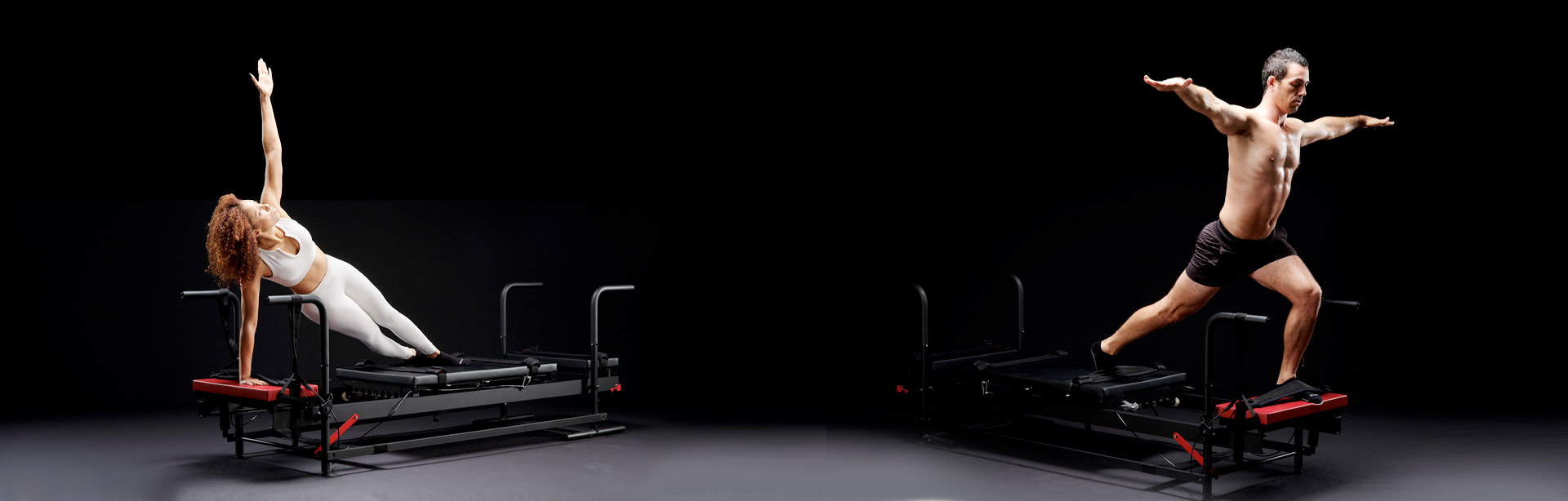
Looking for a Pilates studio in Dallas where you can build strength, improve mobility, and enjoy a supportive workout environment?
Carrie’s Pilates Plus Trinity Groves offers instructor-led Pilates classes for a range of fitness levels, from beginners to experienced clients. Located in West Dallas, the studio combines guided instruction, modern equipment, and a welcoming approach to fitness.
Whether you’re completely new to Pilates, returning to exercise, or looking for a new studio, here’s what to know before your first class.
What Makes a Good Pilates Studio in Dallas?
Choosing a Pilates studio is about more than finding a convenient location.
The right studio should offer knowledgeable instruction, appropriate equipment, a comfortable environment, and classes that match your experience level.
When comparing Pilates studios in Dallas, consider:
- Instructor experience and coaching style
- Beginner-friendly class options
- Class size and level of personal attention
- Type of Pilates equipment available
- Studio atmosphere
- Class schedule
- Private training options
- Location and convenience
- How well the studio fits your fitness goals
At Carrie’s Pilates Plus Trinity Groves, the focus is on guided movement, proper technique, and creating a workout that can challenge clients at different levels.
Why Is Pilates So Popular in Dallas?
Pilates has become a popular choice for people looking for a different approach to fitness.
Rather than focusing only on high-intensity cardio or heavy weights, Pilates combines controlled resistance exercises with mobility, balance, coordination, and core-focused movement.
A regular Pilates practice may help support:
- Core strength
- Muscular endurance
- Flexibility
- Mobility
- Balance
- Coordination
- Postural awareness
- Body awareness
Pilates is also adaptable. Exercises and resistance levels can often be modified based on a person’s experience and fitness level.
Meet Carrie’s Pilates Plus Trinity Groves
Located in West Dallas, Carrie’s Pilates Plus Trinity Groves gives clients access to instructor-led Pilates in a modern studio environment.
The studio is designed for people who want a structured workout rather than trying to learn Pilates on their own.
What You Can Expect
- Instructor-led Pilates classes
- Beginner-friendly options
- Group workouts
- Private training
- Modern Pilates equipment
- Focus on technique and controlled movement
- A supportive studio environment
The goal is to help clients understand the movements, use the equipment correctly, and build confidence as they progress.
What Types of Pilates Classes Are Available?
Different clients have different goals. That’s why having multiple ways to train can be important when choosing a Pilates studio in Dallas.
Reformer-Style Pilates
Pilates Reformers use a moving carriage, springs, straps, and other components to create resistance during exercises.
Reformer-based workouts can challenge the:
- Core
- Legs
- Glutes
- Arms
- Shoulders
- Back
The resistance can be adjusted, making the equipment useful for both newer and more experienced Pilates students.
Private Pilates Training
Private Pilates sessions provide one-on-one instruction.
This format can be especially useful if you want:
- More individual attention
- Personalized exercise modifications
- Help learning Pilates fundamentals
- Training focused on specific fitness goals
- More detailed technique feedback
Private training can also be an option for people returning to exercise after an injury. If you have an active injury or medical condition, work with your healthcare provider and communicate any relevant restrictions to your instructor.
Beginner Pilates Classes
New to Pilates?
A beginner-friendly class gives you an opportunity to learn the basics before moving into more advanced exercises.
Your instructor may introduce:
- Pilates breathing
- Core engagement
- Basic movement patterns
- Alignment
- Equipment setup
- Controlled movement
- Proper exercise technique
You don’t need to be flexible or already fit to start.
What Is Carrie’s Transformer?
One of the features that makes Carrie’s Pilates Plus different is its use of Carrie’s Transformer.
The Transformer is a resistance-based piece of Pilates equipment designed for dynamic, full-body workouts.
Depending on the exercise, it can be used to challenge:
- Core strength
- Lower-body strength
- Upper-body strength
- Stability
- Balance
- Coordination
- Mobility
Because resistance and exercises can be adjusted, instructors can create different levels of challenge within a class.
Carrie’s Transformer vs. a Traditional Reformer
Although the two pieces of equipment share some principles, they provide different workout experiences.
Traditional Pilates Reformer | Carrie’s Transformer |
|---|---|
Uses a moving carriage and springs | Uses resistance-based movement in a different equipment format |
Strong focus on controlled movement | Designed for dynamic, full-body movement |
Common in Pilates studios | Used in Carrie’s Pilates Plus workouts |
Can be used for beginner through advanced exercises | Exercises can be modified for different fitness levels |
Often used for both private and group training | Designed around the Carrie’s Pilates workout experience |
The best equipment depends on the studio, instructor, class format, and type of workout you prefer.
What Are the Benefits of Pilates?
Pilates is often chosen because it combines several elements of fitness into one workout.
1. Core Strength
Core-focused exercises are a major part of Pilates.
Developing core strength can support stability and control during everyday movement and exercise.
2. Better Body Awareness
Pilates asks you to pay attention to alignment, breathing, positioning, and controlled movement.
That focus can help you become more aware of how your body moves.
3. Improved Flexibility and Mobility
Pilates combines strengthening movements with exercises that take your joints and muscles through controlled ranges of motion.
Consistent practice may help support mobility and flexibility.
4. Balance and Coordination
Many Pilates exercises challenge stability and require you to coordinate different parts of your body at the same time.
5. Low-Impact Exercise
Pilates generally avoids the repeated jumping and pounding associated with many high-impact workouts.
That makes it an appealing option for people who prefer lower-impact exercise while still wanting a challenging workout.
6. Stress Relief
Pilates requires concentration and controlled breathing.
For many people, that focused movement provides a mental break from work and everyday stress.
Why Smaller Pilates Studios Can Feel More Personal
Many people searching for the best Pilates studio in Dallas are looking for something different from a large commercial gym.
A boutique Pilates studio can provide a more focused environment.
Potential advantages include:
- Smaller class environments
- More opportunities for instructor feedback
- A stronger sense of community
- A focused fitness atmosphere
- Less distraction than a large gym
The experience ultimately depends on the studio and class format, but instructor attention is an important factor when learning Pilates.
How to Choose the Right Pilates Studio in Dallas
There are many Pilates options in Dallas. Before choosing a studio, consider these five factors.
1. Look at the Instructors
Good instruction matters, especially when you’re learning unfamiliar movements or equipment.
Look for instructors who clearly explain exercises and provide useful technique cues.
2. Consider the Class Levels
If you’re new to Pilates, make sure the studio offers classes appropriate for beginners.
You shouldn’t feel like you need prior experience to walk through the door.
3. Visit the Studio
If possible, visit before signing up.
Pay attention to:
- Cleanliness
- Equipment
- Studio layout
- Atmosphere
- Staff
- Class environment
You want a space where you feel comfortable returning regularly.
4. Check the Schedule
A great workout won’t help if you can’t fit it into your schedule.
Look for class times that make consistency realistic.
5. Consider Private Training
If you’re looking for more individualized instruction, ask whether the studio offers private Pilates sessions.
Private training can be particularly useful when you’re learning the fundamentals or working toward specific goals.
What Should You Expect During Your First Pilates Class?
Your first Pilates class is primarily about learning.
You may be introduced to:
- The equipment
- Basic Pilates movements
- Breathing techniques
- Alignment
- Core engagement
- Resistance settings
- Class terminology
Don’t worry about keeping up with everyone immediately.
Your instructor can demonstrate the movements and provide modifications when needed.
Before Your First Class
Wear comfortable workout clothing that allows you to move freely.
It’s also a good idea to:
- Arrive early
- Bring water
- Tell your instructor you’re new
- Mention relevant physical limitations
- Listen carefully to equipment instructions
The more comfortable you become with the basic movements, the easier it will be to progress.
How Often Should You Do Pilates?
There is no single schedule that works for everyone.
For many people, 1–3 Pilates classes per week can be a practical starting point, depending on their goals and other physical activities.
Goal | Possible Starting Point |
|---|---|
Learn the basics | 1–2 classes per week |
Build a consistent routine | 2–3 classes per week |
Combine Pilates with other training | 1–3 classes per week |
More advanced training | Based on goals and recovery |
Consistency matters more than trying to do as many classes as possible.
How Pilates Can Fit Into a Healthy Routine
Pilates doesn’t have to be your only form of exercise.
Many people combine Pilates with other activities such as:
- Walking
- Cycling
- Running
- Strength training
- Yoga
- Recreational sports
A balanced routine can give you different types of movement while allowing you to train according to your goals.
Who Is Pilates Good For?
One reason Pilates continues to attract new clients is its flexibility.
Pilates can be appropriate for:
- Beginners
- Busy professionals
- Adults returning to exercise
- People who prefer low-impact workouts
- Athletes
- People interested in strength and mobility
- Experienced Pilates students
Exercises can often be modified to make them easier or more challenging.
If you’re recovering from an injury or have a medical condition, talk with your healthcare professional before starting a new exercise program.
Why Trinity Groves Is a Great Place to Try Pilates
Trinity Groves is part of the West Dallas community and offers a convenient setting for people looking for fitness and wellness options in the area.
For local residents and professionals, having a Pilates studio nearby can make it easier to create a consistent workout schedule.
Carrie’s Pilates Plus Trinity Groves provides instructor-led classes in a modern studio environment, making it a natural option for people exploring Pilates in West Dallas.
Experience Carrie’s Pilates Plus Trinity Groves
Finding the right Pilates studio in Dallas can make it easier to turn exercise into a routine you actually enjoy.
Carrie’s Pilates Plus Trinity Groves offers instructor-led Pilates classes, private training, beginner-friendly options, and a modern approach to resistance-based Pilates.
Whether your goal is to build strength, improve mobility, increase body awareness, or simply find a new way to move, Pilates can become a valuable part of your fitness routine.
Ready to experience Pilates in West Dallas?
Explore Carrie’s Pilates Plus Trinity Groves and book your first class today.
Frequently Asked Questions About Pilates Studios in Dallas
Yes. Pilates can be adapted for beginners, and many studios offer introductory or beginner-friendly classes. You don’t need previous Pilates experience to start.
Wear comfortable workout clothing that allows you to move freely. Fitted clothing can also make it easier for your instructor to observe your alignment. At Carrieʻs, grip socks are required.
Many people start with one to three classes per week. Your ideal schedule depends on your fitness goals, other workouts, and recovery needs.
Neither is automatically better. Mat Pilates uses your body weight and sometimes small props, while Reformer Pilates adds equipment and adjustable resistance. Your choice depends on the type of workout you prefer.
Yes. Pilates generally uses controlled movements and does not rely on repeated high-impact activities such as jumping or running.
Yes. Beginner-friendly Pilates classes can introduce the basic movements and equipment at a manageable pace.
Private sessions can be valuable if you want individualized instruction, additional technique feedback, or a workout tailored more closely to your goals.
Look for qualified instructors, appropriate class levels, a comfortable environment, quality equipment, convenient scheduling, and a studio culture that makes you want to return consistently.